Remember These Before Stepping Onto the Ice – Tips for a Safe Winter Adventure
As winter progresses, lakes begin to freeze and the temptation to head out onto the ice grows. Before stepping onto the ice, always make sure it is strong enough across the entire area you plan to travel and that you have the proper safety equipment with you.
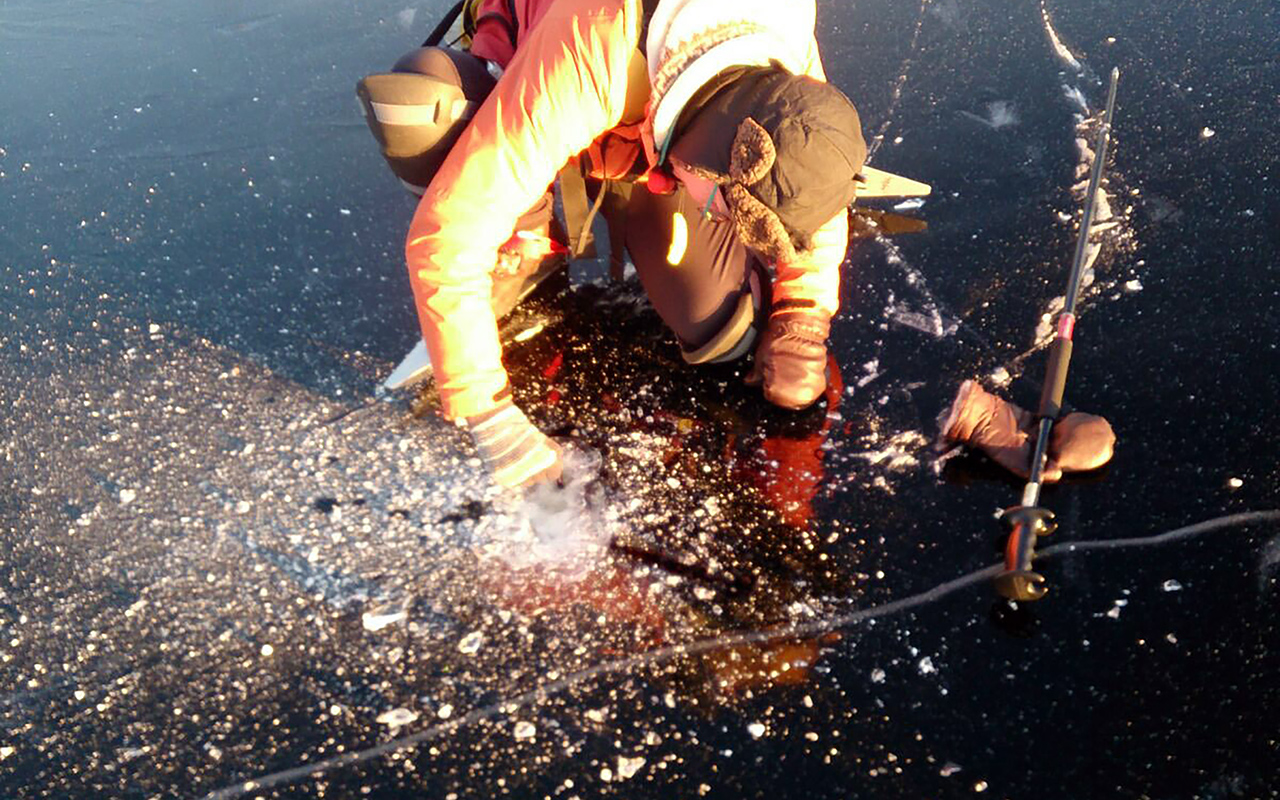
Moving on ice can be both enjoyable and practical, but it always requires careful consideration and the right gear. Not all ice is the same, and its load-bearing capacity depends primarily on its quality and thickness. The strongest ice is early-winter black ice, which forms directly from water and is clear and solid. Ice safety guidelines are always based on black ice: approximately five centimeters of flawless black ice can support a single person. For safety reasons, however, it is recommended to venture onto the ice only when there is at least ten centimeters of black ice—and preferably with a companion.
Ice thickness can vary significantly even over short distances. Currents, underwater features, cracks, snow cover, and temperature fluctuations can all weaken the ice. In particular, snow ice and springtime candled ice are highly unpredictable and cannot be trusted, even if they appear thick. Spring ice can fail suddenly, and ice that felt safe in the morning may become dangerously weak by midday.
The surrounding environment also affects ice strength. Rivers, narrows, bridges, piers, shipping channels, river mouths, and areas affected by industrial or residential discharge are common danger zones. Snow slows ice growth and can press the ice below the water surface, forming weak and porous snow ice.
Essential safety equipment for moving on ice includes ice picks worn around the neck, a metal-tipped ice probe, and a backpack packed to provide flotation. For those who spend a lot of time on the ice, a dry suit offers excellent additional protection by keeping the body dry, reducing heat loss, and improving buoyancy in cold water.
With the right knowledge, proper equipment, and a cautious mindset, moving on ice can be both safe and unforgettable. You can book an experienced local guide with us to ensure ice conditions and routes are assessed professionally, allowing you to focus on enjoying the surrounding nature. Once the ice is thick enough to support an ATV or snowmobile, we also open a marked winter hiking route from Oravi to Linnansaari— a unique way to experience the winter beauty of Lake Saimaa.